For fifteen years, a single person was keeping 150,000 artists and 2,500 galleries alive on a server nobody would inherit. After years of ownership, we decided to do a full rebuild of the app and infrastructure from scratch, and seven months to transition all of our users to the new stack.
This was a company we acquired in 2022. At the time, there were about 2,000 daily users, with a mix between art gallery administrators and artists applying to their shows. The company was founded in 2008 and had not been rebuilt since. The user interface was dated, galleries were not coming to the platform, and competitors were getting ahead of us. Even though the prior owner did a great job of building and running a business that was relied upon, the platform just ‘felt’ dated.
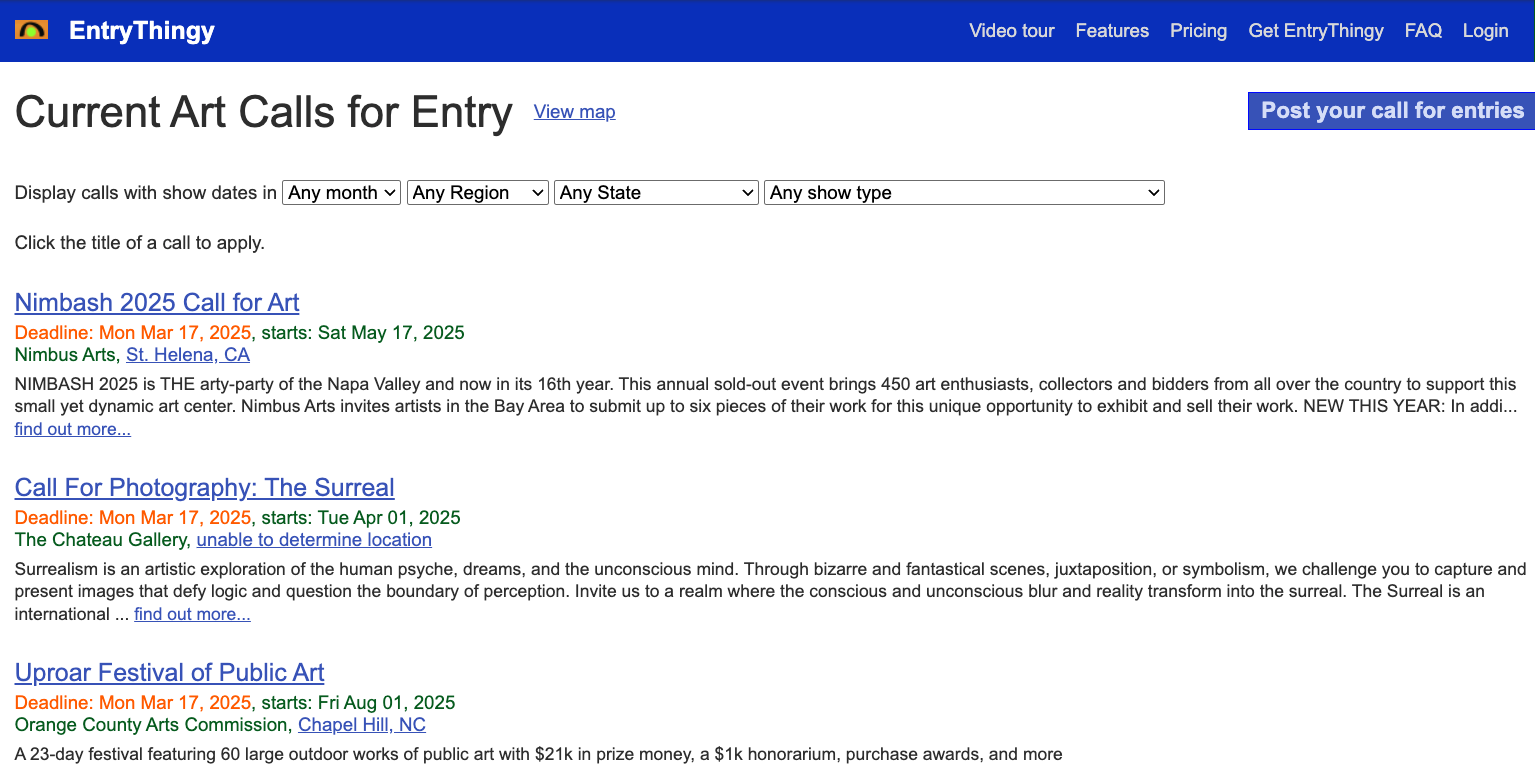
We realized early on that we could not handle the code. A tiny change such as changing an innocuous dropdown would result in an unrelated feature breaking. Trying to add new features or fix confusing forms led to unhappy emails with knock-on impacts we didn’t anticipate. Given the lack of investment, we weren’t seeing the growth we had hoped for. We knew that rebuilding the software was the only way to reintroduce growth to the business. Yet the original estimates put a rebuild at hundreds of thousands of dollars and two to three years, assuming it all went smoothly. It cost us $5,000 in AI spend and seven months.
Before starting anything, we reached out to a lot of our customers to find out what was good, and what needed fixing. The opinions varied, but the same few needs came up often enough to steer the rebuild. We used Linear to spell out the whole project, start to finish. Finally, we got up and started building the new platform. This was an important asset, and we knew post-rebuild we could grow it significantly. We planned the whole run, from old bugs to new features. Everyone had to build. Colin and Harrison would have to dive deeper into the programming work, so we introduced them to the AI tools needed and the concepts that were important for them to know, and dove in.
Within a couple months, we had the same product but on a new much improved platform. We started by recreating the same functionality, while only changing the user interface. A side-by-side match until our users were comfortable (a v1 copy). Then, we started fixing bugs, adding new features, and moving galleries over to the new version.
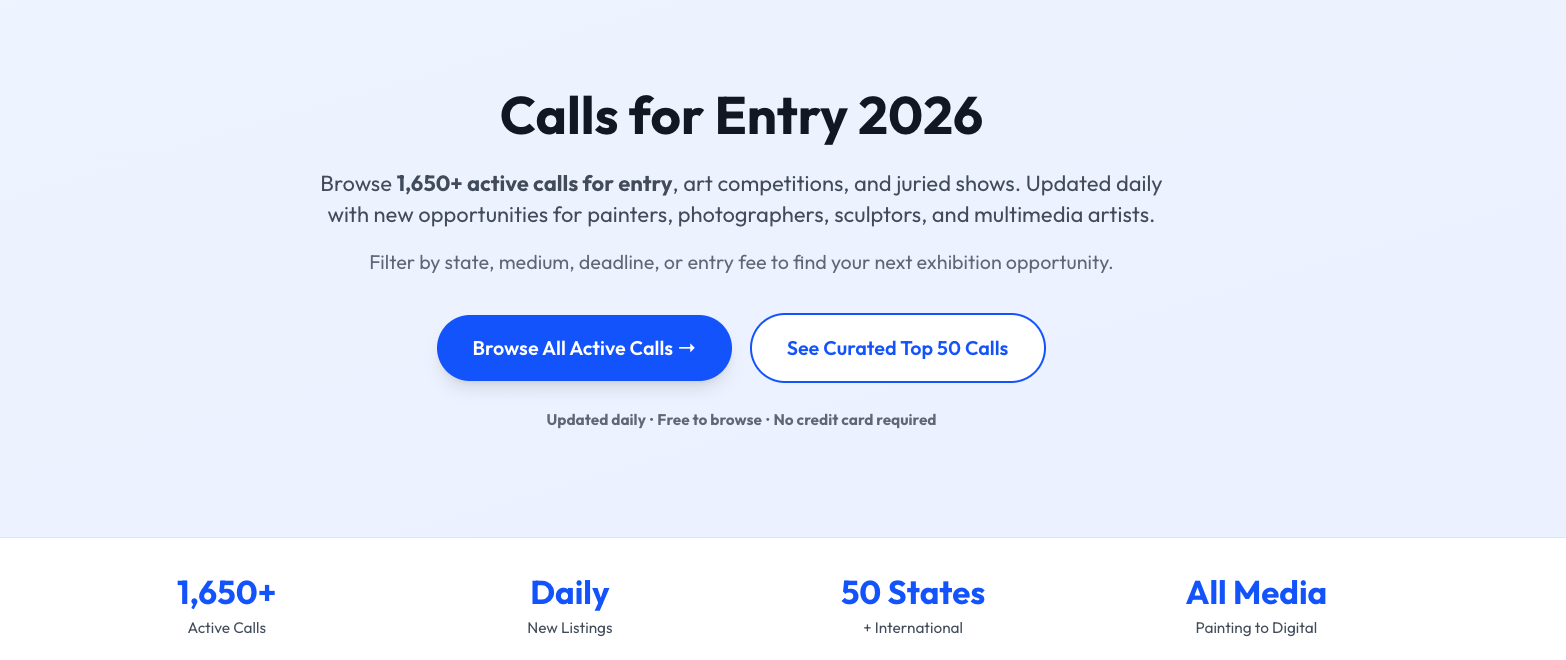
We worked through a beta with a select group of power users. This created buy in from the key accounts, as well as pointed us towards features and bugs that we should prioritize. We worked with them to continually improve from a beta to a soft cutover where galleries could choose whichever version they wished, either the old or the new.
After receiving and implementing countless points of feedback, we did the hard cutover. The old servers were turned off, the support desk was fully on the new platform, and now all users are on the new version. A few months later, and the business went from declining to now growing 50% year over year (and accelerating).
We still own the company today. It’s currently on pace for its best year in over a decade, and we can be on the offensive in terms of re-investing time and money on it, instead of playing defense.